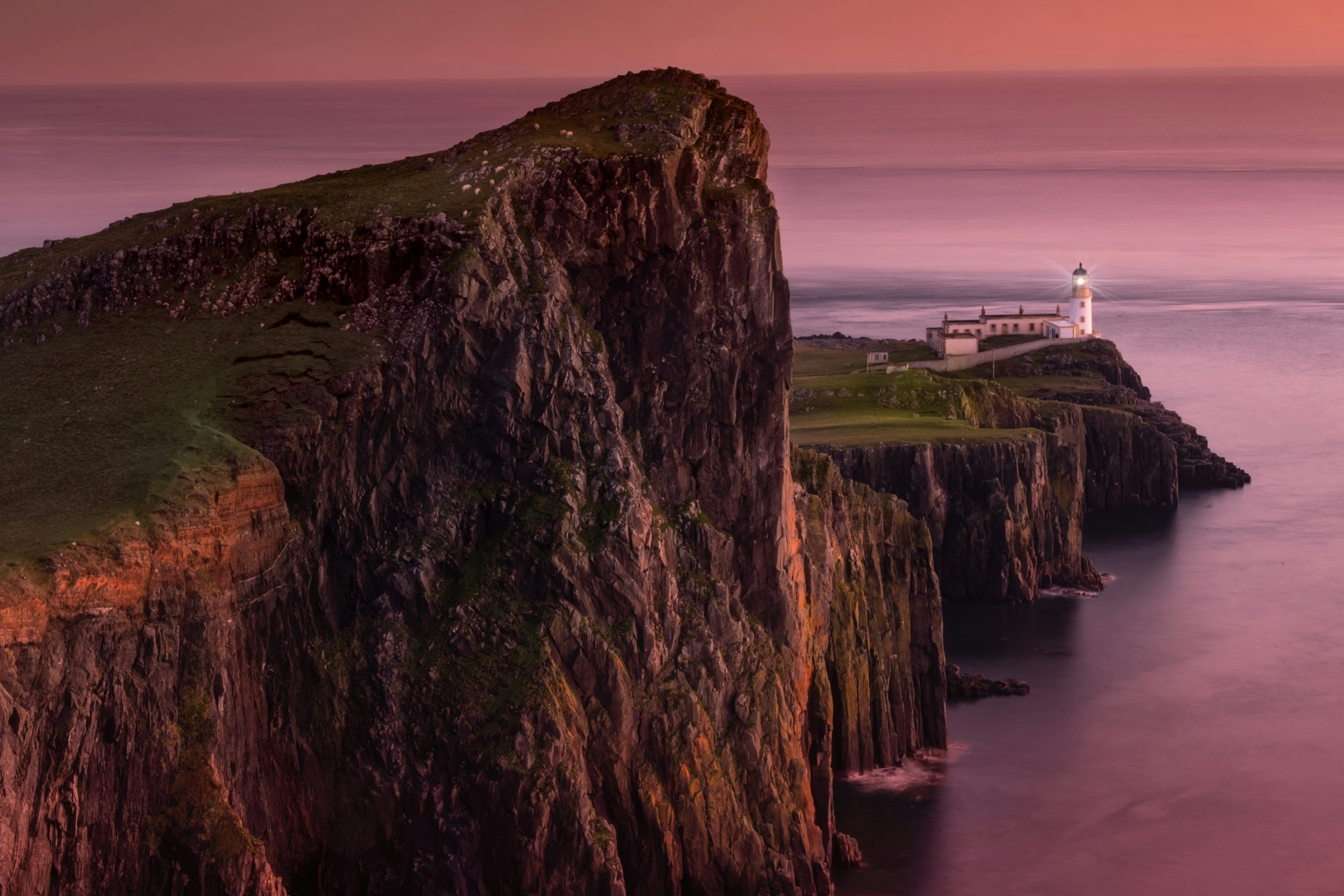
Neist Point lighthouse on a green cliff above the Atlantic

Coastline · Island

Neist Point Clifftop

Isle of Skye · near Dunvegan

Photo: John Young · Unsplash

The view

A west-facing sweep of basalt cliffs, open Atlantic and Skye’s most remote lighthouse.

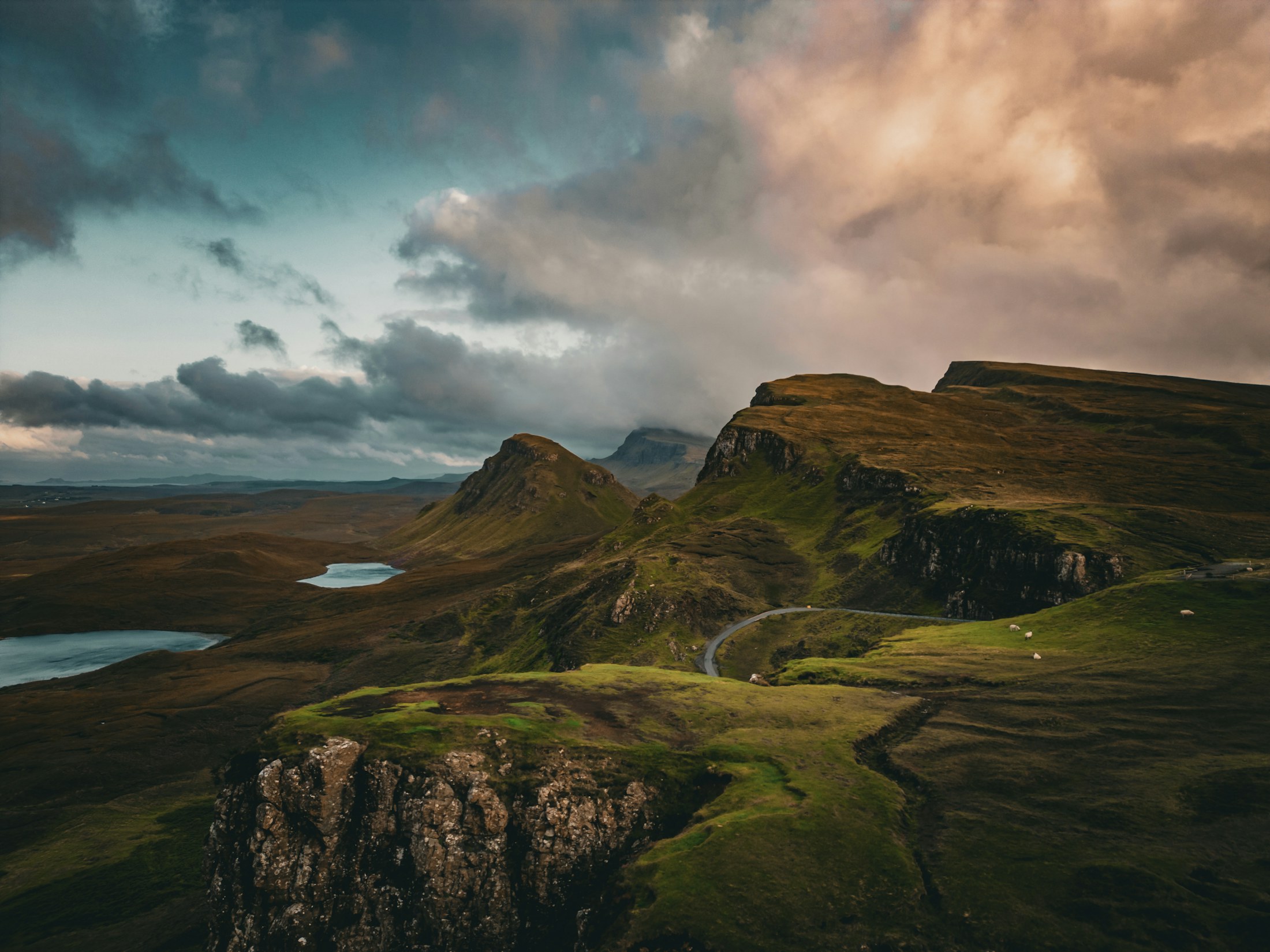
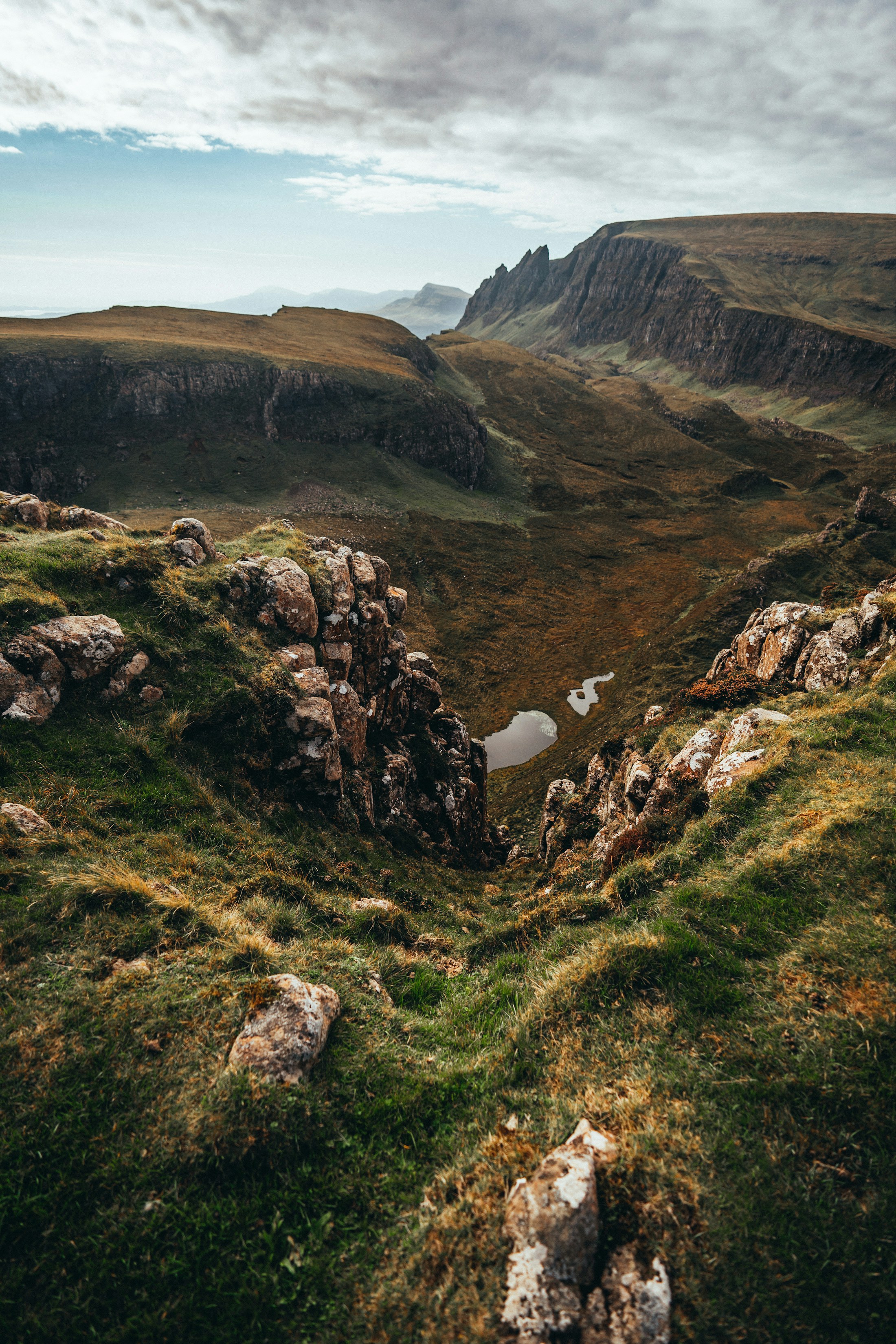
Neist Point is a headland view before it is a lighthouse view. The clifftop pulls your eye along a tapering green ridge to white buildings above the Atlantic, then out towards Waterstein Head and the western horizon beyond Skye.

Its openness is the point. Sea, wind and fast-moving weather leave very little visual clutter, so even a short visit can feel expansive. On a clear evening, the long westward view gives the lighthouse its proper context as a working marker on a difficult coast.

sunsetcoastparkingshort walk

The deeper story

A beacon on Skye’s western edge

Neist Point Lighthouse was engineered by David A. Stevenson and first lit on 1 November 1909. It became automated in 1990, but the 19-metre tower remains part of the Northern Lighthouse Board’s active navigation network, with a listed range of 16 nautical miles.

Northern Lighthouse Board: Neist Point
First lit
1 November 1909
Engineer
David A. Stevenson
Light range
16 nautical miles

What you can see

A landscape with
clear landmarks.

Neist Point Lighthouse, Waterstein Head and the Outer Hebrides on clear evenings.

Direction of viewWest

Access notes

Know the ground
before you go.

There are exposed drops and no shelter. The final road is narrow with limited passing places.

UnderfootGrass, rock and concrete steps

Photography notes

Make the weather part of the frame.

A mid-range lens compresses the headland; keep well back from unguarded cliff edges in high wind.

Suggested focal length
24–200mm
Best light
Sunset

Accessibility

The honest approach.

The upper viewpoint is grassy and uneven; the lighthouse path has many steep steps.

Surface
Grass, rock and concrete steps
View from parking
No

Close enough to combine

Nearby views

See on the map

Field note

Conditions change.
Good decisions travel well.

Access, weather and local restrictions can shift without notice. Check official guidance before setting out, respect closures and leave every viewpoint as you found it.